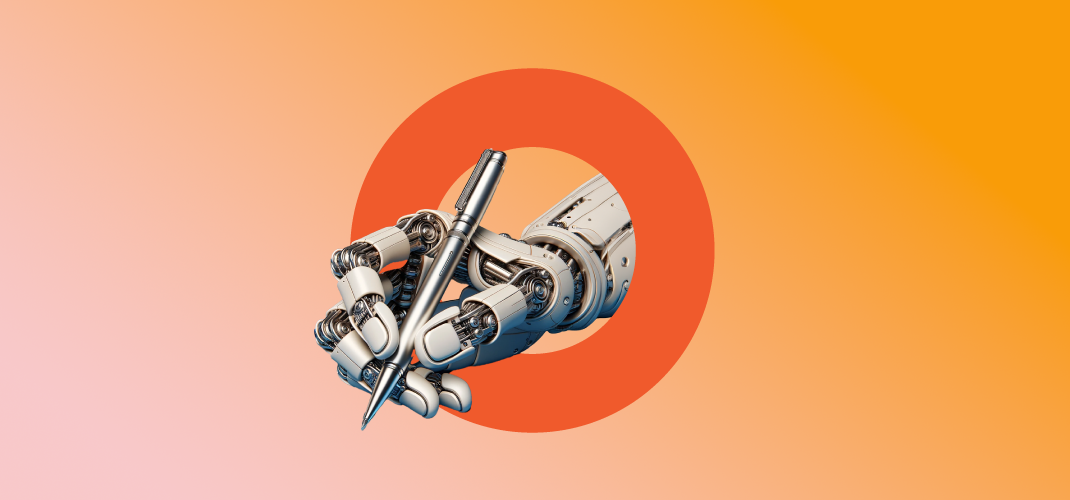
Can AI write the next great novel?

As generative AI continues its meteoric rise, some have begun asking whether tools such as ChatGPT could write fiction on par with the greats.
Could a computer program truly compete with literary greats? At Web Summit we found out that, for all of the clear time and financial benefits of the new technology, challenges remain.
ā[As an author] I want to be memorable. I want to be the best ever. I want to be superlative,ā said the Economist deputy executive editor Kenneth Cukier, explaining to our attendees that LLMs (large language models) are trained to produce content that is average and lacking originality.
āIn short, the way the system works is to find the median answer. An LLM wants to make sure an answer is good. If you think of it as a Gaussian distribution, wham, right in the middle, itāll be good. But I donāt want good. Good sucks,ā Kenneth said.
While AI can churn out prose, some people doubt it possesses the deeper logic or intelligence required for more complex stories. In reference to John le CarrĆ©ās page-turner, The Spy Who Came in from the Cold, Kenneth said that āto have done that, these cross-connections are so elaborate and require symbolic reasoning, and a sense of deceptionā.
Indeed, AI struggles with āthe humanity in those characters; the story; the narrative,ā said columnist and Tera Ventures general partner Eamonn Carey referencing Haruki Murakamiās 1Q84. āWhen I finished, it was like Iād lost my friends.ā
āI do think that you can use these tools to help you ideate,ā the columnist stated. But, āfor fiction novelists, youāre gonna have to write it yourself; youāre gonna have to do the hard work,ā Eamonn added.
Kenneth claimed that, while truly standout literature is out of reach, current generative AI is probably capable of writing a decent āairport novelā. āDan Browne is formulaic ⦠so AI should be fantastic at doing that,ā the editor added.
Of course, what differentiates between a good read and great literature is truly subjective. Dan Browneās works might be regarded as forgettable distractions by some, but they consistently knock it out of the park on the bestseller lists. Isnāt that a mark of good entertainment? And certainly one that ChatGPT could set its sights on reproducing if thereās a formula to it.
Perhaps the true test will come when AI can make us shed tears at a storyās end. Because, as Kenneth put it, what we remember most are ābooks where you were sad; where you deliberately read slowly, so that you wouldnāt finish itā.Ā
Until AI can do that, the novels that leave a mark will likely still come from the heart and not an algorithm. Of course, AI will keep advancing. āCan [GenAI] write a bestseller? Today? No. Tomorrow or some time in the future? Yeah,ā predicted Eamonn.
For more great content, join us at Web Summit Rio. Get tickets now.