How streaming is rewriting the music economy

Share

From Local Beats to Global Hits: How Streaming is Revolutionizing the Music Economy at Web Summit Rio 2026

(This article was generated with AI and it’s based on a AI-generated transcription of a real talk on stage. While we strive for accuracy, we encourage readers to verify important information.)

Claudia Assef, Carolina Alzuguir, Bryan Johnson

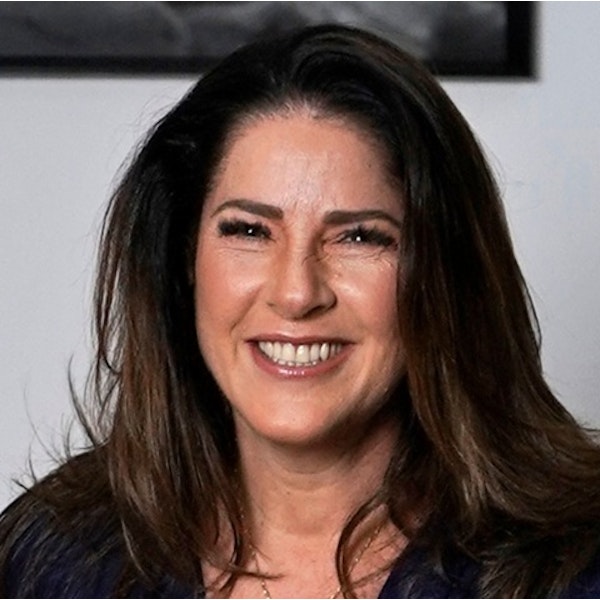
At Web Summit Rio de Janeiro 2026, Claudia Assef, Editor-in-chief of Billboard Brazil, hosted a panel with Spotify’s Head of Music, Brazil, Carolina Alzuguir, and Head of Artist & Industry Partnerships, International, Bryan Johnson. Mr. Johnson reflected on Spotify’s nearly two-decade journey, which has transformed the music industry from piracy to recovery, significantly expanding access and opportunities for artists globally.

Operating in over 184 markets with more than 750 million monthly users, Spotify offers artists unprecedented global exposure. Ms. Alzuguir highlighted how streaming has brought crucial data, monetization, and structure to the passionate Brazilian music industry. She contrasted this with her early career, where marketing decisions for artists lacked real-time insights, making strategic planning challenging.

Today, “Spotify for Artists” provides comprehensive data and promotional tools, empowering creators to make informed decisions, build audiences, and sustain their careers. Mr. Johnson introduced Spotify’s “Loud & Clear” report, an initiative to enhance transparency in the streaming economy, explaining royalty payments and how artists at various levels achieve success. This ongoing conversation aims to demystify financial aspects for creators.

A key finding from the “Loud & Clear” report is the remarkable global surge of Brazilian funk, which has even outpaced K-pop in growth. Spotify’s platform and recommendation systems facilitate this international spread. Ms. Alzuguir confirmed funk as one of the fastest-growing genres globally, with international artists incorporating its elements, while Brazilian artists successfully export their unique sounds. This champions diversity, enabling artists to thrive globally without sacrificing authenticity or native language.

Spotify paid out $11 billion USD to the music industry last year, with half going to independent artists and labels. Brazil has become the 8th largest recorded music market globally, with its revenue growing 14%, largely driven by streaming. Spotify’s payments to Brazilian artists increased by 24%, highlighting its significant role in the region’s economic growth. Latin America, led by Brazil, was the fastest-growing region, and Portuguese the fastest-growing language on Spotify.

The speakers discussed Gen Z’s genre-fluid listening habits, inspiring Spotify to develop mood-based playlists and new interactive tools. Regarding AI, Mr. Johnson outlined Spotify’s approach to prevent misuse while supporting legitimate creative applications. The platform is exploring licensed mixing features, developed in collaboration with rights holders, to enhance fan engagement and ensure artist compensation.

For artists, Ms. Alzuguir strongly advised daily use of “Spotify for Artists” for data and tools. Both speakers stressed the importance of authenticity, connecting with local culture, and building fan communities. Mr. Johnson encouraged artists to seek support if navigating the platform proves challenging, emphasizing that active involvement in one’s career significantly boosts chances of success. In Brazil, independent artists generate an even higher percentage of revenue than the global average.

Related
How to scale in LatAM in 2026

How to scale in LatAM in 2026

June 18, 2026 - 2 min read
Related
Beyond the bank account

Beyond the bank account

June 11, 2026 - 2 min read